Editorial note: This guide draws on reader conversations about the particular experience of being single and looking for social connection after 50 — not as a dating strategy, but as a way to build a life that includes other people naturally. A 2024 University of Michigan National Poll on Healthy Aging found that 33% of adults aged 50–80 reported feeling lonely sometimes or often in the past year. Among those without close friends, the figure was substantially higher. We are not activity organisers or social prescribers. This guide is observational and editorial.
Most advice about activities for single women over 50 reads like a bucket list written by someone who has never actually walked into a room alone. Join a pottery class. Try salsa dancing. Volunteer somewhere. The suggestions sound fine in the abstract. What they rarely address is the specific experience of arriving by yourself, scanning for a place to sit, and wondering whether everyone else came with someone.
That gap between “activities exist” and “I can actually do this alone without feeling conspicuous” is where most women get stuck. The issue is rarely a shortage of options. It is the feeling that walking into a room alone, at this age, with no one expecting you, says something about your life that you did not choose to announce.
This guide takes a different approach. Rather than listing activities, it explains what makes certain activities genuinely effective for meeting people when you are attending alone, then recommends specific options through that lens. The organising principle comes from research, not enthusiasm: social psychologist Jeffrey Hall’s 2018 study found that forming a casual friendship requires approximately 50 hours of shared time, and a closer friendship around 90 hours. That means the single most important quality of any activity is whether it puts you alongside the same people repeatedly, week after week, long enough for familiarity to do its work.
If you are starting from zero — no regular activities, no established groups — the guide to building a social life from scratch after 50 covers the broader structural picture. This guide focuses specifically on which activities work and why, for women who will be joining them alone.
Why Certain Activities Work Better Than Others
Not every group activity leads to connection. Some sound social but produce almost no meaningful interaction: large lecture audiences, busy gym sessions, drop-in classes where the membership changes every week. Others appear modest but reliably produce friendships because of how they are structured.
Three qualities separate activities that actually build connection from activities that merely fill time:
Repeat contact with a stable group. The 50-hour threshold only works if you are accumulating hours with the same people. A one-off weekend workshop introduces you to strangers who then disperse. A weekly class with consistent membership lets familiarity develop gradually, which is how adult trust actually forms. Look for activities with regular attendance rather than drop-in formats.
A shared task that carries the interaction. The most effective social activities give you something to do together that is not “socialise.” Walking side by side. Painting at adjacent easels. Sorting donations at the same table. The shared task removes the performance pressure of settings designed purely for meeting people, and provides natural conversational material that is not your personal life.
Whether you can walk in alone. This is the filter most generic advice ignores. Some activities are genuinely welcoming to someone showing up alone for the first time. Others technically allow it but feel like everyone already knows each other, or like you need a partner to participate, or like the room will notice you standing in the doorway trying to figure out where to sit. The activities recommended in this guide pass a specific test: can a woman walk in alone, sit down, and be absorbed into what is happening without needing to explain herself?
A 62-year-old reader from Leeds described this bluntly: “I tried three things before I found one that worked. The watercolour class was lovely but everyone had been coming for years and barely looked up. The supper club needed you to bring a friend. I also looked at a choir but the rehearsal was Wednesday evenings and I babysit my grandson Wednesdays, so that was out. The walking group — I just turned up, someone handed me a route card, and by the third Saturday I had three people’s numbers without ever formally introducing myself. I still don’t like the hill routes but I go anyway.”
The broader guide to hobbies that help you meet people after 50 covers these principles across all audiences. What follows applies them specifically to activities that work for women attending alone.
Walking and Movement Groups
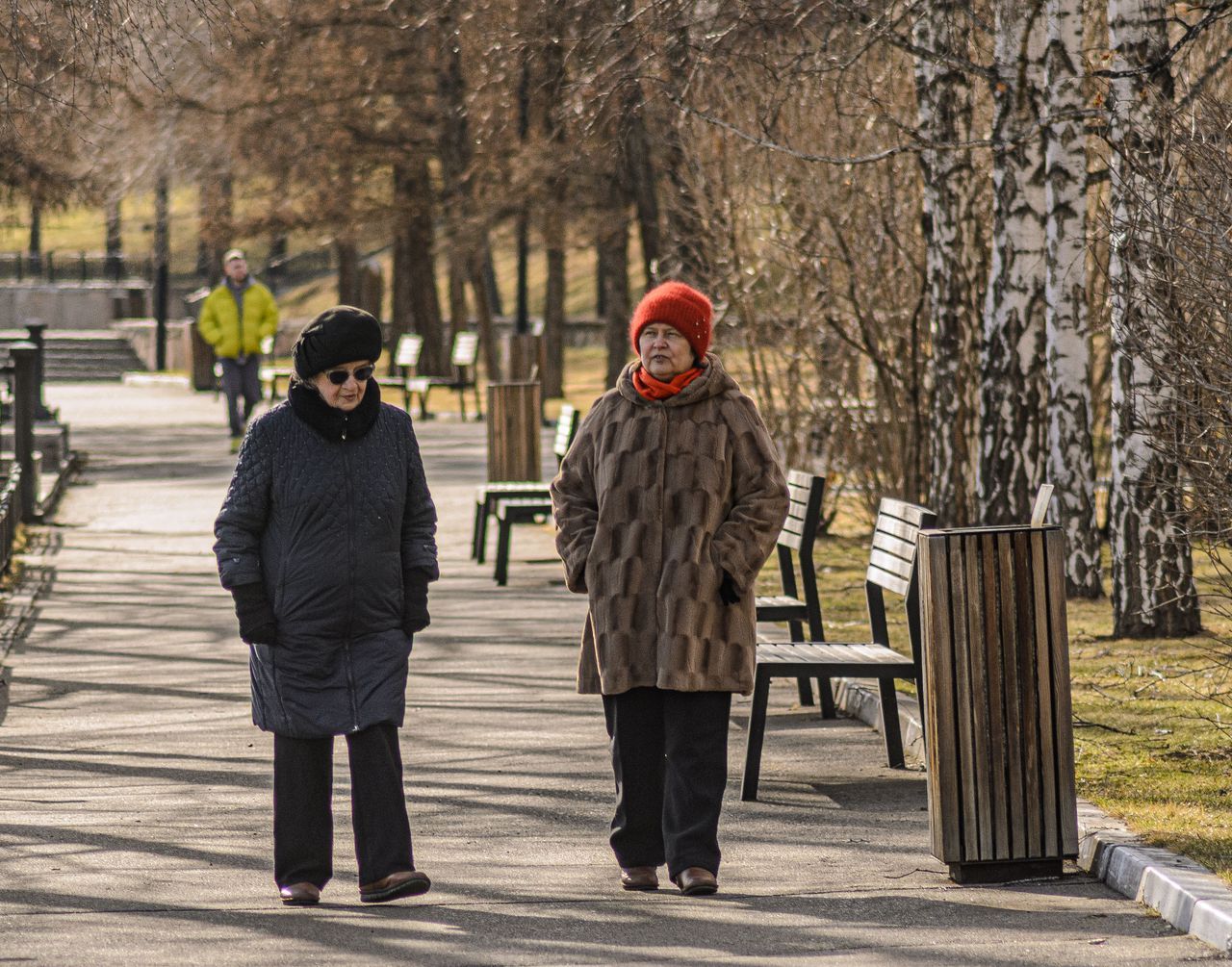
Walking groups are among the most reliably single-friendly activities for women over 50. The reason is structural: side-by-side movement reduces the social performance pressure that face-to-face settings create. You are not sitting across from someone making conversation. You are walking alongside them, and the landscape provides shared material (a path decision, weather, a view, a dog) that fills silence without effort.
Weekly walking groups with stable membership produce connection efficiently. A two-hour Saturday walk, attended weekly, accumulates roughly 50 hours of shared time within six months. That is enough for several casual friendships to form without anyone forcing the process.
A caveat worth stating plainly: some women do everything right by this framework and still feel peripheral after months. They attend consistently, they are warm, they are open. And the group remains pleasant but closed. This happens. Not every group is ready to absorb a new person, and sometimes the chemistry simply is not there, for reasons that have nothing to do with effort or likability. When that happens, the answer is usually not to try harder in the same group but to try a different one. The research describes averages. Your specific Tuesday morning walking group is not obligated to follow them.
Where to find them: local Ramblers branches, Meetup walking groups (search “women’s walking group” or “over 50 walking group” for your area), park district programmes, and community centre notice boards. Many groups have “social pace” designations. These prioritise conversation over speed and tend to attract the most connection-oriented participants.
Swimming and aqua fitness work on a similar principle for women who prefer not to walk. Regular-time sessions at a local pool create familiar faces. Aqua classes specifically for older adults tend to have consistent weekly attendance and a strong before-and-after social component — the changing room and café conversations are often where the real friendships form.
Gentle movement classes (tai chi, Pilates, or community yoga with the same instructor on the same day) create repeat contact in smaller groups. The key is choosing a fixed-time class rather than a flexible-booking studio, because fixed-time formats attract the same people each week.
For women who find group settings draining, the guide to meeting people after retirement if you are not naturally social covers lower-energy alternatives that still produce connection over time.
Creative and Learning Activities
Creative group activities work well for women attending alone because the task is absorbing enough to carry you through the first few sessions without needing to be socially “on.” You are concentrating on something (a drawing, a ceramic piece, a language exercise) and the social element grows around the edges of that concentration rather than being the sole purpose of your presence.
The most effective formats share two qualities: small groups (under 15 people) and structured breaks where conversation happens naturally. A large lecture with 40 people produces no social contact. A pottery class with eight people and a tea break halfway through produces plenty.
Art classes and drawing groups. Weekly sessions in local art centres or community colleges. The shared vulnerability of producing visible work, and the shared imperfection of being a learner, creates conversational material without requiring personal disclosure. You discuss the work before you discuss yourself, which suits people who find immediate personal conversation uncomfortable.
A reader in her late fifties, recently divorced and living in a new town outside Bristol, described her local printmaking class: “I signed up because I needed something to do on Thursdays that wasn’t sitting in the house thinking about the settlement. I’d no interest in making friends — I’d had enough of socialising through my ex-husband’s people. But the class was small, maybe nine of us, and by week five we were having coffee after. Not everyone. Four or five. One woman talks too much about her cats, honestly, but I don’t mind. It took me by surprise how much I looked forward to it. I still can’t do a decent lino cut.”
Language courses. Weekly evening language classes produce repeat contact, paired exercises, and conversational practice that naturally leads to personal exchange. The early weeks involve mild shared embarrassment (mispronunciations, forgotten vocabulary) which bonds people faster than polished social performance. Community colleges and adult education centres run these at accessible prices.
Book clubs. Small, regular, discussion-based. The key is finding one with stable membership rather than a rotating drop-in format. Libraries, independent bookshops, and Meetup all host them. Book clubs work particularly well for women who are more comfortable with structured discussion than open-ended socialising — the book provides the agenda.
Volunteering With Regular Shifts
Volunteering produces social connection through a mechanism that many social activities lack: shared purpose with visible impact. When you sort food donations alongside the same three people every Tuesday morning, or staff a charity shop counter with the same partner every week, you are accumulating hours together with a task that matters to both of you. The task is the bond, not the conversation about yourself.
There is also something else, harder to articulate. After a divorce or a bereavement, your social identity shifts in ways that are not entirely under your control. Coupled friends drift. Dinner party invitations thin out. You become, in some rooms, “the single one,” which is a category you never applied for. Volunteering sidesteps that entirely. You are not there as a single woman. You are there as the person who does the Tuesday food bank shift. That distinction matters more than it should, and it matters immediately.
Regular shifts matter more than the type of volunteering. A monthly one-off event creates no social continuity. A weekly or fortnightly commitment with the same team produces the same repeat-contact effect as a class or walking group — but with an additional layer. Volunteering removes the “single woman looking for company” frame entirely. You are there because you care about something, and connection arrives as a byproduct of that purpose.
I would steer most women toward roles with small, stable teams rather than large-event volunteering. Food banks with regular morning shifts, charity shops with consistent weekly rota slots, literacy programmes with the same co-tutors, community garden volunteering with weekly sessions — these produce connection. Large galas, one-off fundraising events, and remote administrative roles do not, regardless of how worthwhile the cause.
For women who value the identity dimension, wanting to be defined by purpose rather than by singleness, volunteering often feels more dignified than activities labelled “social” or “for singles.” You are not there to meet people. You meet people because you keep showing up to do something you find meaningful.
Groups Designed Around Women
Some groups are built specifically for women over 50 who want social connection without the pressure of mixed-gender or couple-dominated settings. These are worth knowing about because they solve the arrival-alone problem by design: everyone is there independently, and the group’s purpose assumes singleness or at least solo attendance.
Meetup groups for women over 50. In most mid-sized cities, Meetup hosts groups specifically for women over 50: walking, dining, cultural outings, day trips. The membership tends to be women attending alone — divorced, widowed, relocated, or simply looking to expand their world beyond existing circles. Search “women over 50” on Meetup for your area and filter by activity frequency. Groups that meet weekly or fortnightly produce connection faster than monthly ones.
Women’s Institutes and similar organisations. In the UK, the WI remains one of the most accessible social structures for women of all ages, with monthly meetings, interest-based sub-groups, and an established culture of welcoming new members. In the US, similar roles are filled by women’s clubs, soroptimist groups, and league-style organisations that combine community service with regular social meetings.
Travel groups for single women over 50. Organised group travel (walking holidays, cultural tours, wellness retreats) designed specifically for women travelling alone. These compress social time: a five-day trip together accumulates as many hours as three months of weekly classes. The shared novelty of travel also accelerates familiarity. If you can afford the cost and time, a single group trip can produce friendships that continue locally afterward. The guide to finding a travel companion after 50 covers how to evaluate these options and what to watch for.
Book clubs, dinner clubs, and cinema groups for women. Smaller, locally organised groups that rotate hosting or meet in public venues. Often found through local Facebook groups, library notice boards, or neighbourhood newsletters. These tend to be intimate (4–10 people), consistent, and welcoming to newcomers precisely because they exist to bring women together who might not have met otherwise.
The comparison of singles events vs social clubs is worth reading if you are deciding between structured social groups and more formal singles-oriented events.
What to Look for Before Joining
Before committing to any activity, run it through a brief practical evaluation:
Does it repeat weekly or fortnightly? Monthly meetings delay the familiarity timeline significantly. A rough guide:
- Weekly, 2 hours per session: 50 hours in 6 months. Casual friendships forming by spring if you start in autumn.
- Fortnightly, 2 hours: 50 hours in a year. Slower, but still workable.
- Monthly, 2 hours: 50 hours in over two years. Too slow for most people’s patience, and the gaps between meetings erode whatever warmth builds.
If the activity meets less often than fortnightly, treat it as supplementary, not primary.
Is the group small enough for recognition? Groups under 20 people allow you to become a familiar face within three or four sessions. Groups larger than 30 often mean you remain anonymous for much longer.
Can you arrive alone without a partner or introduction? Check whether the activity requires you to bring someone, pair up, or register with a friend. If it does, it is not genuinely single-friendly regardless of how it describes itself.
Is there a natural social component built in? A formal lecture with no break and no mingling time afterward produces zero connection. Look for activities with built-in pauses: tea breaks, post-session coffee, pub stops, feedback discussions.
What does it cost? Long-term participation matters more than initial enthusiasm. If the weekly cost is high enough to make you skip sessions, you will not accumulate the hours needed for familiarity. Community-funded activities, library programmes, and volunteer roles often produce better social returns than expensive classes precisely because you can sustain attendance indefinitely.
The guide to becoming a regular somewhere after 60 covers the consistency mechanism in more depth — including what to do during the first few weeks when nothing seems to be happening yet.
Frequently Asked Questions
How do I join group activities alone without feeling awkward?
The awkwardness is real and it passes. Most groups have a settling-in period of two to three sessions where you feel peripheral. This is normal and expected — it does not mean the group is unwelcoming or that you have done something wrong. The most effective approach is to commit to attending at least four times before deciding whether it works. By the fourth session, you are a recognised face rather than a newcomer, and the social dynamics shift noticeably. Structured activities — where you are walking, painting, or volunteering — carry you through the awkward phase because the task occupies your attention while familiarity builds in the background.
What if I don’t have any hobbies or interests to start with?
You do not need an existing hobby to begin. Choose something mildly interesting and attend for the social structure, not because you are already passionate about it. Many groups are designed for beginners: community choirs that require no audition, introductory language courses, gentle walking groups, all-levels art classes. The activity is the vehicle for connection, not the destination. If nothing appeals strongly, walking groups have the lowest entry barrier — they require no skill, no equipment beyond shoes, and no prior interest in hiking.
How long does it take to make real friends through a new activity?
Research suggests approximately 50 hours of shared time for a casual friendship and around 90 hours for a genuine friendship. In practical terms, attending one weekly activity consistently produces recognisable connections within three to four months, with more substantial friendships developing over six to twelve months. The timeline feels slow, but it reflects how adult trust actually forms. Trying to compress it — by attending multiple groups simultaneously or forcing premature intimacy — usually produces burnout rather than closeness.
Are there activities specifically for single women over 50?
Yes, though not always labelled that way. Meetup groups for women over 50 are the most explicitly designed for this audience. Women’s Institutes, women’s walking groups, women’s travel companies, and all-female volunteer teams serve a similar function without the “single” label. Beyond dedicated groups, many ordinary activities — weekday morning classes, daytime volunteering shifts, retiree walking groups — attract a high proportion of women attending independently, simply because of timing and availability.
A Manageable Starting Point
You do not need to overhaul your week or join three things at once. The research points clearly in one direction: one regular commitment, attended consistently, produces more connection over time than scattered attempts at variety.
If choosing feels difficult, a weekly walking group is a reasonable default. It requires nothing except showing up, it produces conversation without demanding it, and it accumulates shared hours at a pace that makes 50 hours reachable within six months.
Here is something rarely said in guides like this: the first three sessions will probably feel like a mistake. You will drive home wondering why you bothered. The people seemed nice but nobody really talked to you. You will consider not going back. This is not a sign that it is wrong. This is what the first three sessions feel like for almost everyone. The women who ended up with Thursday coffee dates and Saturday walking companions all went through those same quiet, slightly deflating early weeks. They just kept showing up past them.
Some women reading this will decide they are not ready. Some will realise they prefer their own company to the effort of joining something new. That is worth knowing about yourself too. Not every life needs to be filled with people to be a good life. But if what you want is connection, the path is less mysterious than it feels from the outside. It is specific, it is practical, and it starts with one afternoon where you show up alone and nothing dramatic happens — and then you do it again the following week.